Why every shoot needs a blog post
Published · By The Framestory team · 6 min read
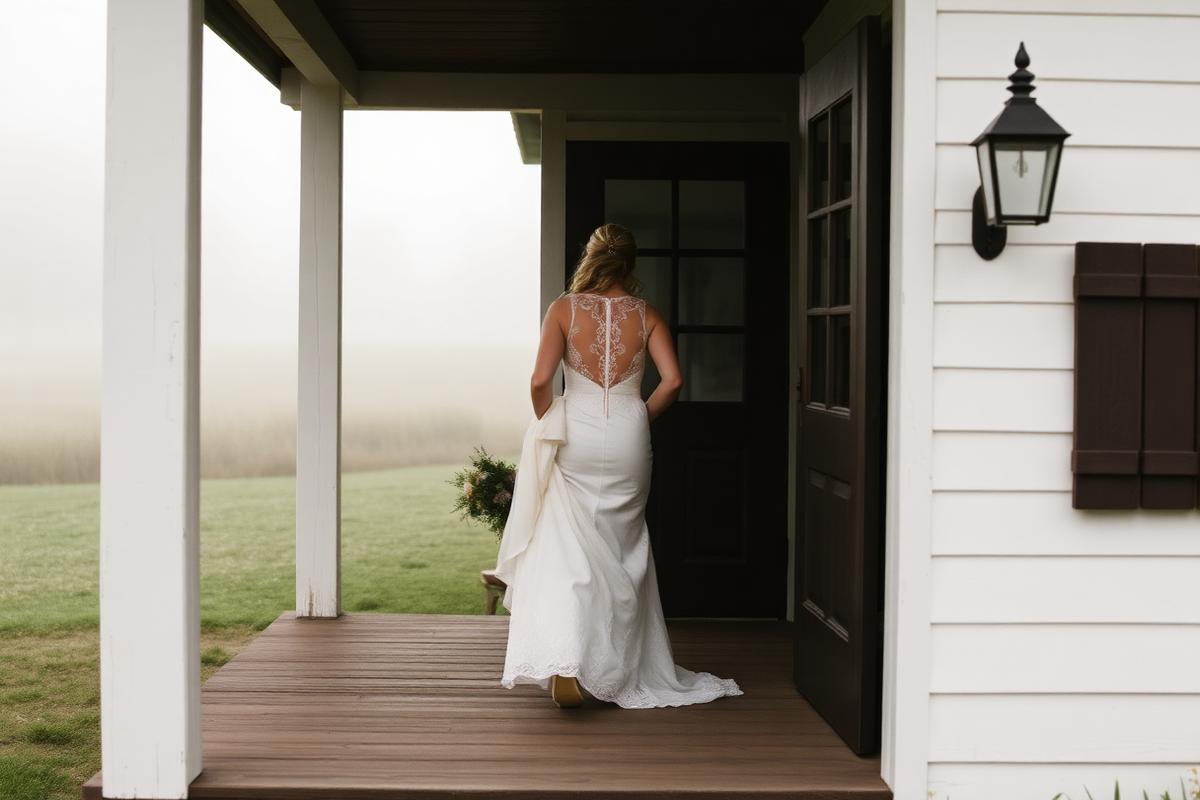
A gallery link expires. A blog post keeps working for years — for search, for enquiries, and for the couple who wants to relive the day.
Most photographers deliver a gallery, post three frames to Instagram, and move on. The work was the hard part; the write-up feels like admin. But the gallery link goes quiet after a week, the Instagram post is invisible within forty-eight hours, and the shoot — the one that took twelve hours and produced eight hundred frames — leaves no permanent trace on the internet you own.
A blog post is the only artefact of a shoot that keeps working. It sits on your domain, it accumulates authority, and it answers the question a stranger typed into a search bar at eleven at night while planning a wedding they haven't booked yet.
Search engines can't see your photographs
This is the uncomfortable part. A crawler looking at your gallery page sees a grid of image files, a few filenames, and almost no language. It cannot tell that the ceremony happened in a fifteenth-century barn in the Dordogne, that the light was flat and grey until the last twenty minutes, or that you shot the whole thing on two primes. Everything that makes the work findable lives in words, and if you never write the words, the work is invisible.
The practical consequence is that two photographers of identical skill can end up with wildly different enquiry volumes. The one who writes gets found for venue names, regional phrases and style descriptions. The one who doesn't gets found for their own name — which only helps people who already know it.
The long tail is where the bookings are
Nobody books a wedding photographer by searching "wedding photographer". They search for a venue, a region, a feeling, a constraint: an elopement in the Cévennes, a small city hall ceremony in the eleventh, a documentary photographer who won't ask them to pose. These are low-volume searches with extraordinary intent, and each one is essentially uncompetitive because it can only be answered by someone who was actually there.
Every shoot you write up is another handful of these phrases entering your site honestly. Not keyword stuffing — just an accurate account of where you were, who you were with and what the day looked like. Do that thirty times a year and you have built something no advertising budget replicates.
The post is also for the client
There is a softer argument that matters just as much. A couple who receives a written account of their day — the small moments, the weather turning, the toast that went sideways — shares it. Not because you asked, but because someone wrote about their day with attention. That share reaches exactly the audience you want: their friends, at the age when their friends are also getting married.
Vendors do the same. Name the venue, the florist, the band, the caterer, and you become the photographer they remember when a couple asks for a recommendation. Referral networks in this industry are built out of small, specific acts of generosity, and a paragraph naming someone's work is one of them.
So why doesn't it happen?
Because writing eight hundred words after a fourteen-hour day and a week of culling is a real cost. Surveys of bloggers put the average post at around four hours of work. Multiply that by the number of shoots in a season and the honest answer is that most photographers make a rational decision to skip it.
- —The post feels like a second job with no immediate reward.
- —Blank-page paralysis is worse when the day is still fresh and unsorted.
- —The result often reads like a caption stretched to fill a page.
- —Nobody measures the enquiries that never arrived, so the cost stays invisible.
Make the write-up part of delivery, not a separate project
The fix is structural, not motivational. Treat the write-up as the last step of delivery rather than a marketing task you'll get to later. Pick fifteen frames while you're already culling. Write from what's in them — the room, the light, the sequence of the day — rather than trying to compose a personal essay. Publish within the same week the gallery goes out, while the couple is still refreshing it.
This is also the part Framestory automates. You upload the gallery, the engine reads the actual photographs, and you get a draft post grounded in what happened in the frames, plus captions for each platform and alt-text for every image. You edit it in your own voice — that part should never be automated — and publish. The four hours become fifteen minutes, and the calculation that made skipping rational stops being true.
One post per shoot, compounding
None of this pays off in a fortnight. Search rewards consistency over intensity: a site with sixty specific, honest, image-rich posts outranks a site with six polished ones, and the gap widens every season. The photographers who look lucky three years from now will mostly be the ones who wrote something after every shoot, starting now.
— The Framestory team
Keep reading
How photographers rank on Google in 2026
AI answers sit above the results, everyone's site looks the same, and the only durable advantage left is having actually been in the room.
Writing alt-text that helps SEO and accessibility
Alt-text is the only part of a photograph a screen reader and a crawler can both read. Most galleries have none, and the ones that do usually get it wrong.