Writing alt-text that helps SEO and accessibility
Published · By The Framestory team · 6 min read
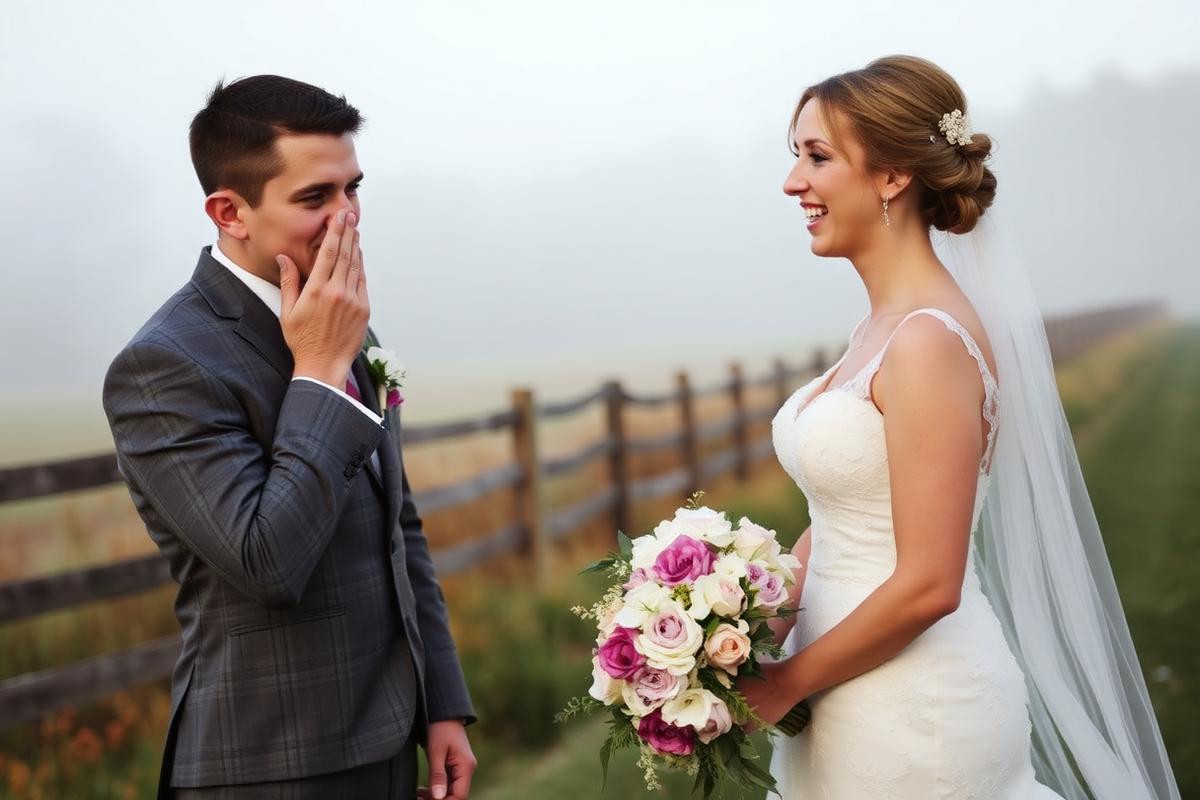
Alt-text is the only part of a photograph a screen reader and a crawler can both read. Most galleries have none, and the ones that do usually get it wrong.
Alt-text is the short written description attached to an image. A screen reader announces it to someone who cannot see the photograph. A crawler reads it to understand what a page is about. It is, on a photography site, very often the only text on the page — which makes it strange that most galleries ship with none at all, or with forty files described as "IMG_4471".
Write for the person first
The correct mental model is this: someone is listening to your page through a screen reader. What do they need to know for the page to make sense? Not every detail — the aim is not to recreate the photograph in words, it is to convey what the image contributes here.
"Bride laughing as her father adjusts her veil in a bright hallway" is useful. "Beautiful emotional wedding photo" is not: it describes your opinion, not the content. "Wedding photographer Bordeaux wedding photography Gironde" is worse than useless — it is a page full of noise for a listener, and search engines have discounted that pattern for well over a decade.
A working shape
- —Subject: who or what is in the frame.
- —Action: what they are doing.
- —Context: where, or the light, when it matters to the story.
- —Stop. One sentence is usually right; two is the maximum.
Aim for roughly 80 to 125 characters. Screen readers do not truncate, but attention does, and a listener working through a gallery of thirty images will not thank you for thirty long paragraphs.
Things to leave out
- —"Image of" or "photo of" — the screen reader already announces that it's an image.
- —Keyword lists, location stuffing and your business name on every file.
- —Camera settings, unless the page is specifically about technique.
- —Text that duplicates the caption directly beneath the image.
Decorative images take empty alt-text
If an image carries no information — a texture, a divider, a rule between sections — give it alt="" so assistive technology skips it. That empty attribute is a deliberate signal, and it is very different from omitting the attribute altogether, which makes a screen reader fall back to reading the filename aloud.
Where the SEO benefit actually comes from
Alt-text is a modest direct ranking factor, and anyone promising otherwise is selling something. Its real value is threefold: it is the primary way images get understood for image search, which sends real traffic to photographers; it adds genuine topical text to pages that are otherwise wordless; and it is a documented accessibility requirement in a growing number of jurisdictions, including the European Accessibility Act, which now applies to many commercial sites.
Put differently: the reason to do it is that a portion of your visitors cannot see your work. The search benefit is a side effect of doing that job properly.
Doing it at gallery scale
The reason alt-text goes missing is arithmetic. Thirty images per post, thirty posts a year, is nine hundred sentences a year that produce no visible reward. Very few people sustain that manually.
This is one of the three things Framestory returns for every shoot: a written description for each photograph, generated from the actual image content rather than the filename, ready to paste into your gallery or CMS. Read them before publishing — the engine describes what it sees, and only you know that the man adjusting the veil is her father rather than the officiant. That correction takes seconds; writing nine hundred sentences from scratch does not.
A short checklist
- —Every meaningful image has alt-text; every decorative one has alt="".
- —It describes content, not quality or emotion.
- —It reads as a sentence someone would say out loud.
- —No two images on a page share the same description.
- —It does not repeat the visible caption word for word.
— The Framestory team
Keep reading
Why every shoot needs a blog post
A gallery link expires. A blog post keeps working for years — for search, for enquiries, and for the couple who wants to relive the day.
How photographers rank on Google in 2026
AI answers sit above the results, everyone's site looks the same, and the only durable advantage left is having actually been in the room.